
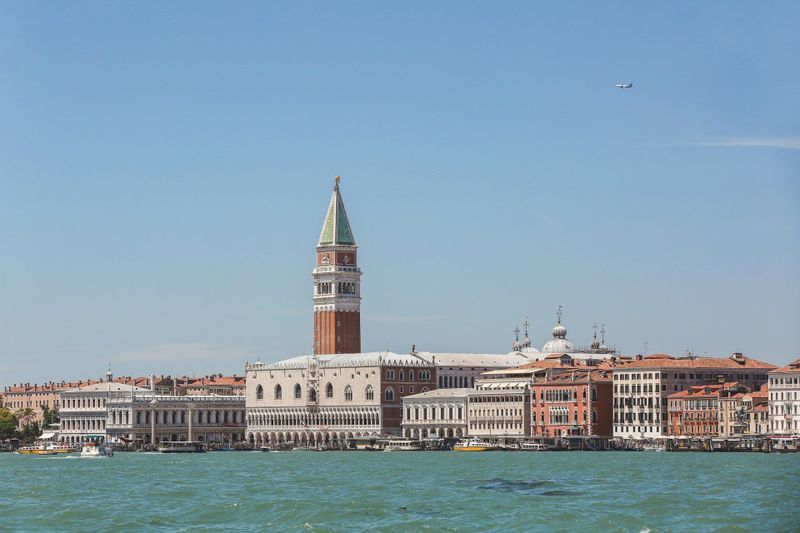
Hey travelers, paying the admission fee to Venice to visit the 2026 Art Biennale? Discover all the information in this guide by Venice Insider Guide.
Venice is shining once again in the international spotlight, and we've got some essential news for anyone planning to check out the 2026 Art Biennale. As the world-famous exhibition heats up, you'll also be required to pay the city's access fee – also called the 'access contribution' or 'access tax' - on designated days set by the local authorities. The main idea behind this is to keep the ancient city preserved by limiting visitor numbers, protecting its cultural heritage and support maintenance efforts especially during peak travel periods.
Let's find out: dates, why, exemptions, and more.
Paying the admission fee to Venice to visit the 2026 Art Biennale: the reason why you need to pay
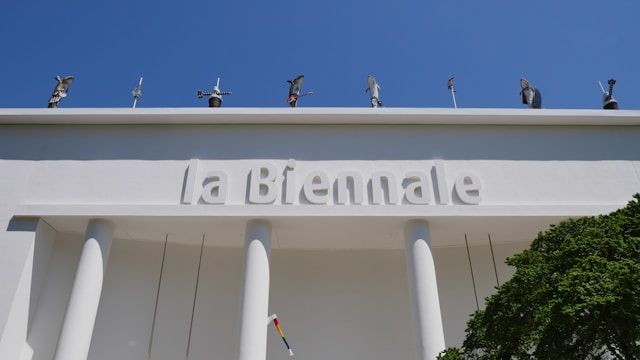
Paying the admission fee to Venice to visit the 2026 Art Biennale. Yes! Why? The Venice access fee was put in place to try and regulate the day tripper flow through the city centre, especially during spring weekends and peak times. Specifically, it's targeting those who visit Venice's Old Town without staying overnight in a hotel or other form of accommodation that pays a tourist tax. People who do stay overnight in a hotel or B&B are already exempt from the access fee because they're already contributing to the city coffers through the tourist tax. Day trippers, on the other hand, will need to cough up the €5 entry fee.
The idea is to help Venetians out with the costs associated with keeping the city in working order, from waste management to maintaining historical sites. It also wants to encourage a bit more thoughtfulness in the way people visit, reduce the impact of mass tourism, and stop the city getting overcrowded during peak times – all of which helps keep the city's unique character.
A major update for Biennale-goers is that just having a ticket to the exhibition doesn't get you out of paying the access fee. So to put it simply, visiting the Biennale on its own won't let you avoid the payment. The Access Fee is part of a broader initiative to make sure every single visitor pitches in to help keep Venice's infrastructure and cultural heritage in good nick – something that's vital for making tourism in the city sustainable.
Dates to remember when you're visiting Venice during the 2026 Art Biennale
The 2026 Art Biennale proper kicks off from May 9 to November 22, and there are preview days on May 6, 7, and 8 when you can check out the exhibition before everyone else. The main event venues are the iconic Giardini della Biennale and the historic Arsenale in Venice.
The Venice access fee will apply on certain dates between April and July, mainly on weekends and high-tourism days picked out by local authorities. The fee usually runs from 8:30 in the morning until 4 in the afternoon.
If you want to get into Venice during these periods, all visitors will need to register and book access online through the official website https://cda.ve.it/en/. Each person in your group, including the kids, needs to be registered separately to get a QR code, which will serve as proof of registration and payment. The Venice Access Fee costs €5 per person per day for day-trippers on designated peak days, as long as you book and pay up more than four days in advance. If you leave it until three days before, the fee jumps to €10 per person per day. Booking access and registering well in advance is key to getting the lower rate.
So to summarise – on the days when the entry fee kicks in, Biennale ticket holders aren't exempt. That means visitors to the 2026 Biennale will have to pay the entry fee on the following days:
- April 3, 4, 5, 6, 10, 11, 12, 17, 18, 19, and from April 24 to April 30, 2026
- May 1, 2, 3, 8, 9, 10, 15, 16, 17, 22, 23, 24, 29, 30, 31, 2026
- June 1 through June 7, 2026, and June 12, 13, 14, 19, 20, 21, 26, 27, and 28, 2026
- July 3, 4, 5, 10, 11, 12, 17, 18, 19, 24, 25, and 26, 2026
For example, during May, on Fridays, Saturdays and Sundays you'll need to pay the Venice 2026 admission fee, even if you're off to see the Biennale.
Booking and payment for the Venice admission fee
Booking and paying the Venice access fee is a straightforward process designed to make your visit as smooth as possible. All day tourists, including cruise passengers and those arriving for a day trip, must pay the access fee unless they qualify for an exemption. To secure your entrance to Venice, simply visit the official website, where you’ll be prompted to enter your personal details, select your intended visit date, and complete payment. The standard cost is €5 per person, but booking in advance is highly recommended, as last-minute registrations (within three days of arrival) may cost up to €10 per person.
The access fee applies only on specific dates, so be sure to check the official calendar before you plan your trip. This will help you avoid unnecessary charges and ensure you’re compliant with city regulations. Payment can be made easily using credit cards or PayPal, and once completed, you’ll receive confirmation of your booking. Remember, the Venice access fee is mandatory for all visitors entering Venice proper on designated days, so plan ahead to avoid any surprises and to benefit from the lower advance rate. Exempt visitors, such as those staying overnight or residents, should still register online to obtain their exemption status.
How to use your QR code and confirmation to get into Venice
Once you've paid and booked the Venice access fee, you'll receive a confirmation email with a unique QR code that’s your ticket to get into Venice. You'll need to flash this at key entry points like Venezia Santa Lucia station and Piazzale Roma where inspectors will scan the code to check if you’ve paid or are exempt.
Save this code on your phone or print a copy as a backup, you never know when you might need it. Make sure it’s easily accessible the whole time you're in the city as you might need to show it at various checkpoints. The QR code proves that you have paid the fee or are exempt, so you won’t get fined for not paying. And don’t forget, the access fee is charged per person so make sure everyone in your group has their own valid QR code.
Who is exempt from the Venice Admission Fee
It’s not just day visitors who don’t have to pay the Venice admission fee, as there are loads of exemptions. Only those who don’t qualify for any of these exemptions have to pay up.
Exemptions include:
- Residents of the Municipality of Venice, their relatives up to the 3rd degree of kinship, students enrolled in schools or universities in Venice, and owners of accommodations in Venice are exempt from payment.
- Children under the age of 14 are exempt from paying the admission fee.
- People with reduced mobility and their companions are exempt from payment; if they do not have a European Disability Card, they must submit a specific request for exemption.
- Tourists staying overnight in Venice are subject to a separate tourist tax included in their accommodation costs, so they are exempt from paying the admission fee. However, they must still register and select the appropriate exemption option during registration.
- Passengers on tourist buses who pay the ZTL bus tax are also exempt from the admission fee.
Visitors exempt from the access fee include:
- tourists staying overnight within the Municipality of Venice;
- residents of the Veneto region;
- residents of the Municipality of Venice;
- children under 14 years old;
- people with disabilities and one accompanying person;
- students enrolled in Venetian schools and universities;
- commuting workers.
It is important to note that, in many cases, exempt visitors will still need to register online and obtain an exemption QR Code to show during inspections.
Sustainable Tourism and the Venice Access Tax
Introducing the Venice admission fee is only one part of Venice's plan for sustainable tourism. By limiting the number of tourists, especially in peak periods, Venice is trying to preserve its historic centre and keep the quality of life high for residents. The access fee is a way of controlling visitor numbers, which can help to reduce traffic in the city’s narrow streets and at its popular sites.
Tourists can also do their bit by staying overnight in the city, which not only means you don’t have to pay the access fee but also means you can really get to know the hidden gems of the city and its local culture. By paying the admission fee and following local guidelines, tourists like you can play a key role in preserving Venice for the future.
Conclusion
Paying the admission fee to Venice to visit the 2026 Art Biennale? Yes, but only on certain designated days.
Doing your research is pretty essential for making sure your visit to the 2026 Art Biennale goes off without a hitch – so make sure to book your tickets well in advance and sort out a way to get to Venice comfortably, like grabbing a water taxi. Standard tickets will set you back roughly €30 for a single entry – but there are cheaper options available if you're a senior, live in the area, or you're a student. And then there are the digital tickets (PDF) which you can access on your mobile - they're great for cutting down on paper waste and they're actually encouraged. Standard tickets will generally give you one entry each to the two main venues - the Giardini and the Arsenale - but on different days. The 61st International Art Exhibition – 'In Minor Keys' is the title – will be on from the 9th of May to the 22nd of November 2026 and will mostly be held at those two places. During the summer months (May to September) the venues are open from 11am to 7pm and they're usually shut on Mondays. Guided tours for a couple of euros ( around €10 per venue ) are available, and if you want a more tailored experience you can book a private tour. To avoid queues and get in without a problem, book your tickets online through the official Biennale Website.
Beyond the Biennale, try to squeeze in some time to explore the rest of Venice's famous sights – like the Grand Canal and St Marks Basilica – by using the Venice Pass for priority entry and to get the real lowdown. Loads of the collateral events in and around the city during the Biennale are free to get to, and that gives you even more chances to see some of Venice's incredible historical and cultural treasures.
One thing worth keeping in mind is that the lagoon islands - you know, places like Murano, Burano, Torcello & Lido di Venezia - are going to be free to visit in 2026, provided you don't go wandering into the historic centre when it's closed.
All the while Venice is trying to find the right balance between preserving its unique heritage and welcoming a gazillion visitors from all over the place. And with the Art Biennale set to attract millions of people it's inevitable that sustainable tourism management will be one of the city's top priorities throughout 2026.
So - will you have to pay the admission fee to visit the 2026 Venice Art Biennale? Yes, but only on the days that are on your ticket, and as long as you stick to the rules.
Continue following us for more stories and travel updates on Venice Insider Guide.