
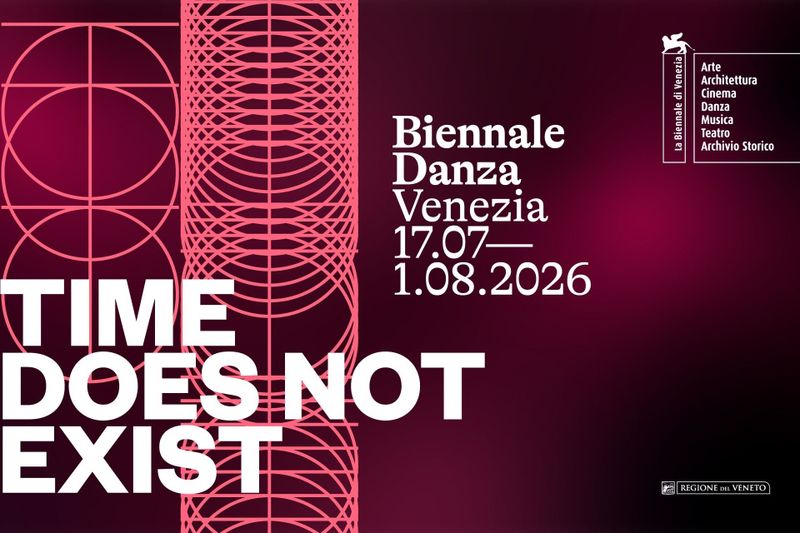
Venice transforms into the global capital of contemporary dance every summer, and 2026 is no exception. Biennale Danza 2026 brings 140 artists and over 60 events to the city's historic venues. Here is everything you need to know about dates, programme, applications and attending.
Let's find out in this guide about 20th International Festival of Contemporary Dance in Venice by Venice Insider Guide.
Biennale Danza 2026: Key Takeaways
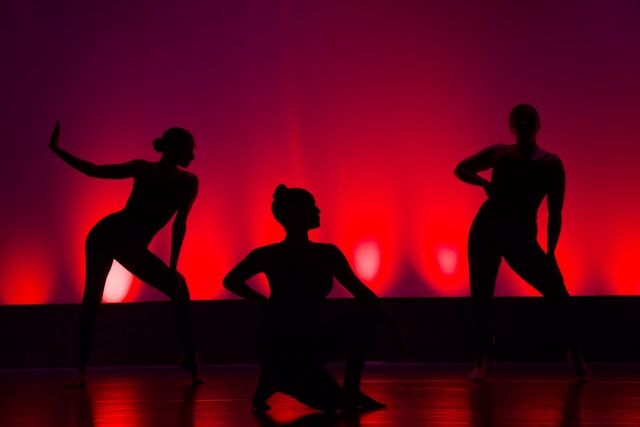
- Biennale Danza 2026 is the 20th International Festival of Contemporary Dance in Venice, titled time "Time Does Not Exist," running from 17 July to 1 August 2026 at la Biennale di Venezia venues.
- The festival features 9 world premieres, 3 European premieres and 8 Italian premieres, gathering international choreographers, guest companies and emerging dance people across more than 60 events.
- The programme highlights artists such as bangarra dance theatre (Golden Lion for Lifetime Achievement), activist mamela nyamza (Silver Lion), director elle sofe sara, emanuel gat and adam linder.
- Below you will find sections covering dates, Biennale venues, programme structure, calls for choreographers, tickets, travel tips and a detailed FAQ.
Overview of Biennale Danza Venice 2026
Biennale danza is the dance department of La Biennale di Venezia, sitting alongside Art, Architecture, Cinema, Music and Theatre within one of the world's most prestigious cultural institutions. Biennale Danza was established as an autonomous department in 1998 and has grown into a central figure in the global dance calendar.
The 2026 edition marks the 20th International Festival of Contemporary Dance. Rather than simply hosting touring shows, la Biennale commissions, produces and presents new works, positioning the festival as a production hub for choreographic practice and cross-disciplinary performance. The festival brings together established choreographers and emerging artists under one programme.
Recent editions have run for approximately two weeks. Biennale Danza 2026 is confirmed for 17 July to 1 August 2026, following the pattern set by sir wayne mcgregor during his tenure as Artistic Director. Wayne McGregor is the artistic director of the festival, and his curatorial theme-time does not exist-shapes everything from commissions to talks and installations, drawing on ideas from physicist carlo rovelli about the nature of temporality.
Biennale Danza 2026: Dates, Venues and Programme Structure
The Biennale Danza 2026 takes place in Venice, Italy, over two weeks from the second half of July to early August 2026. Final scheduling details are published on labiennale.org.
Key venues include:
- Teatro alle Tese and Tese dei Soppalchi at the Arsenale, hosting large-scale contemporary dance works and full form evening productions
- Sale d'Armi and other Arsenale spaces for site-specific, experimental and cross-media projects
- Teatro Piccolo Arsenale and city theatres like Teatro Malibran for smaller-scale and intimate performances
- Ca' Giustinian (Sale delle Colonne) for encounters and other events
The typical daily programme structure runs from morning laboratories through afternoon and evening performances, with public encounters, open rehearsals and occasional open-air events scattered across the city.
The Biennale Danza 2026 edition features 140 artists across more than 60 appointments, including 9 world premieres, a european premiere count of 3, and 8 Italian premieres-a programme consisting of remarkable breadth for a two-week window.
Biennale Dance 2026: Artistic Direction, Theme and Featured Artists
The Artistic Director sets a conceptual theme for each Biennale Danza 2026 edition. Wayne McGregor's 2026 theme, titled Time Does Not Exist, uses time, collective memory and the body as curatorial threads. The festival investigates memory and overlapping temporalities through dance, emphasizing the relationship between movement and temporality. Artistic direction focuses on choreographic research and interdisciplinary collaboration, placing contemporary dance in dialogue with historical artistic traditions. It explores memory, identity and existence themes, examining changing relationships between the self and the world, and interrogating power structures through the moving body.
The festival curates a mix of established names and new voices:
- Bangarra Dance Theatre, the first company of australian aboriginal dancers to receive the golden lion for lifetime achievement, led by a charismatic pioneer whose own lifetime of work has reshaped how Indigenous stories reach global stages. This australian working company consisting of dancers from across Aboriginal and Torres Strait Islander communities makes its venice debut at this edition.
- Activist Mamela Nyamza receives the silver lion, recognised for a profound exploration of race, gender and modern dance tradition in South Africa.
- Emanuel Gat presents his work with his eponymous company, while icelandic choreographer hlín diego brings Nordic movement language to the programme. Director Elle Sofe Sara, a Sámi artist, contributes work that centres Indigenous ecological knowledge.
- Finnish artist Kalle Nio explores illusion and perception; history making american dancer and choreographer molissa fenley returns as a mentor; and Beijing-based wen hui adds a vital Asian perspective.
- Adam Linder and other international choreographers round out a programme of artistic cachet that includes references as wide-ranging as stravinsky's rite and keith haring's visual energy.
Special focuses include evenings dedicated to Indigenous and First Nations voices in the spirit of bangarra dance theatre, and myth makers programmes centering migration and ecology. Full artist lists will be published with the official programme announcement.
New Choreographic Creations and International Calls
Biennale Danza 2026 continues la Biennale's multi year programme aimed at commissioning new works. The festival is a production hub, not only a showcase, operating through a multi year programme of co production with dance companies worldwide.
The international call for new choreographic creation works as follows:
- Candidates (international choreographers or dance companies) submit an original choreographic project that has never been premiered
- Applications are delivered via an online form on labiennale.org
- Materials include a 1-page project description in English, a 5–10 minute video, and a biography with portfolio links
Applications for new choreographic projects are due by 20 October 2025. In 2026, more than 695 applications were received-a sign of how competitive the process is. The programme is highly selective, with wayne mcgregor evaluating artistic originality, feasibility and alignment with the festival's theme.
Support for each selected project includes:
- Production funding up to approximately €30,000
- Coverage of accommodation expenses, travel, artistic fees and technical rider for the Venice premiere
- Selected projects must adapt for La Biennale venues and their specific spatial conditions
- A "provisional budget" is agreed with the production team, with the following expenses coordinated roughly 8 weeks before premiere
Two choreographers are also chosen through a separate national call, and two artists may be selected through Biennale college pathways. These new choreography commissions represent the festival's commitment to generating, not just presenting, work.
Biennale College Danza and Opportunities for Emerging Dance People
Biennale college danza functions as la Biennale's educational and creation platform for young dancers, choreographers and dance-makers. It serves as a bridge between foundational training and professional realization, integrating training, laboratories and public showings within the festival.
How the college typically works:
- An annual international call for young dancers (aged 18–30) and emerging choreographers
- Selection based on video auditions, CVs and motivation letters
- Intensive training residencies in Venice from May through August, during which participants hold laboratories and develop site-specific creations
In the 20th International Festival of Contemporary Dance, sixteen young dancers were mentored by choreographer Molissa Fenley, culminating in public performances. The college also selects two choreographers under 30 who receive a fee of €2,000 and a production budget of up to €10,000 for a site-specific new piece.
Biennale college participants work with international choreographers and teachers, gaining exposure to techniques spanning ballet, release-based work, improvisation and somatic practices. The resulting short creations are shown to the public during the festival, providing participants a living archive of professional stage experience. Workshops and public engagement events will be part of the festival activities, deepening the college's reach. No application fee is charged; once selected, a registration fee of approximately €80 applies, with travel and accommodation provided by la Biennale di Venezia.
Audience Experience: From Performances to Archives
Attending Biennale Danza 2026 means moving between Arsenale theatres, crossing the lagoon by vaporetto and encountering both large-scale evening shows and intimate daytime events. The architecture of these spaces-industrial fortress halls with striking acoustics-creates a sensory experience unlike any other festival.
Performance formats range widely:
- Full-evening stage works by established companies (such as emanuel gat's Five Days in the Sun)
- Shorter mixed bills by emerging choreographers
- Durational installations audiences can enter and exit freely
- Outdoor or site-specific pieces using Venetian courtyards and waterfronts
Ancillary activities deepen engagement: public encounters, artist roundtables, open rehearsals where dance people watch process rather than product, and film screenings. The festival includes an exhibition titled "Twenty Festivals of Dance: life lines," developed with la Biennale's historical archive (ASAC), exploring the body as a living archive through footage and documents from past editions. This connects to the festival's broader emphasis on collective memory and twenty years of dance history.
Biennale Danza 2026 Tickets, Travel and How to Stay Updated
Attending Biennale Dance 2026 requires advance planning, especially in peak summer Venice.
Ticketing:
- Individual performance tickets: approximately €25 full price, €16 for students/under-26
- Teatro Malibran: stalls from approximately €30
- Speciale Danza installation tickets: approximately €15
- Purchase online via labiennale.org or at on-site ticket offices (Ca' Giustinian)
Travel:
- Nearest airports: Venezia Marco Polo and Treviso
- Train to Venezia Santa Lucia
- ACTV vaporetti (lines 1 and 4.1) to reach Arsenale and other Biennale di Venezia venues
- Book accommodation early-demand is extreme in July and August
International visitors can combine Biennale Danza 2026 with other events in the la Biennale di Venezia cycle, such as the Art Exhibition. Plan at least 3–4 days to absorb both the festival of contemporary dance and the pavilions.
FAQ – Biennale Danza 2026
Below are answers to recurring questions for first-time visitors and applicants not fully covered above.
When will the exact dates for Biennale Danza 2026 be announced?
The dates are confirmed: the festival runs from 17 July to 1 August 2026. Programme details, daily schedules and venue assignments are published on labiennale.org roughly 9–12 months in advance, alongside the Artistic Director's theme. Subscribe to the newsletter from late 2025 to receive updates directly.
How can international choreographers apply to present work at Biennale Danza 2026?
There are two main paths: the open international call for new choreographic creation (deadline 20 October 2025 for the 2026 edition) and the Biennale college danza calls for emerging artists (deadline 26 January 2026). Both require an online application in English with an artistic dossier and video link. Deadlines are strict-late submissions are not accepted.
Is Biennale Danza 2026 suitable for audiences new to contemporary dance?
Absolutely. The festival offers accessible entry points including introductory talks, artist encounters and shorter mixed bills alongside more experimental pieces. First-time visitors should choose a combination of one major main-stage production and one Biennale di Venezia college evening to experience the breadth of programming without feeling overwhelmed.
What languages are used during the festival?
Dance performances are largely non-verbal. When spoken content appears, surtitles or programme notes are provided in Italian and English. Applications, press materials and professional communication with la biennale are handled primarily in English, with some documents also available in Italian.
Can I attend only Biennale Danza 2026 or do I need a general Biennale pass?
Biennale Danza 2026 performances have their own ticketing-a general Art or Architecture exhibition ticket does not automatically include dance shows. You can purchase separate tickets for the International Festival of Contemporary Dance and for other Biennale sectors, planning days to move between venues as schedules allow.
Conclusion
So, the Biennale Danza 2026 will be beautiful! Now, you know all the information you need, for example: the date, tickets, programs and much more.
If you're planning to visit Venice in the summer, the Dance, Art, and Film Biennales are definitely the events to attend for a truly fascinating experience.
Follow us Venice Insider Guide!