
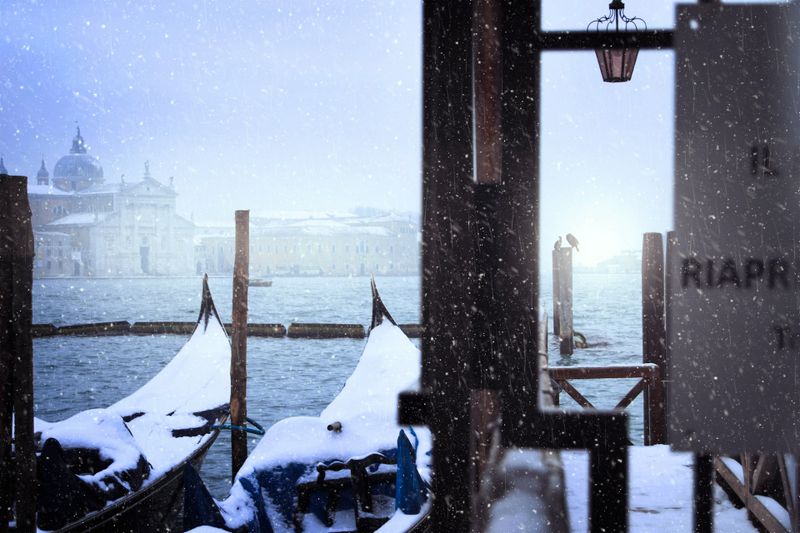
Hey travellers and lovers of Venice! Does it snow in Venice, Italy? Let’s find out in this ultimate guide by Venice Insider Guide.
Are you planning a winter trip to Venice and wondering if you'll ever get to see the stuff falling gently over the canals, bridges and historic squares like a scene from a Christmas card? Snow in Venice is pretty fascinating, but let's be real, it's also a rare sight. The thing is, we all know winters can get pretty chilly, but snowfall just isn't something you write off as a regular occurrence in Venice - it's a weather phenomenon that gets everyone talking.
You'll find Venice down in the north-east corner of Italy, snuggled up against the Adriatic Sea, where winters are long, cold and very, very humid, with the occasional temperature that drops so low you'd think you're somewhere up in the Alps. The one thing you can count on is the possibility of snow when the weather really turns nasty.
Here is what you should know before planning your winter visit:
- Does it snow in Venice? Yes, but snowfall is occasional and generally light.
- When does it snow? January and February are the months when snow is most likely.
- Does Venice get snow in December? It is possible, although relatively uncommon.
- When did it last snow in Venice? One of the most notable recent snowfalls occurred on 28 February 2018, when approximately 5 cm of snow covered parts of the city.
- Can you see Venice covered in snow? Yes, but a lasting blanket of snow is unusual.
Let's discover what winter is like in Venice, when snowfall is most likely and what to expect if you visit the city during the coldest months of the year.
Snow in Venice, Italy
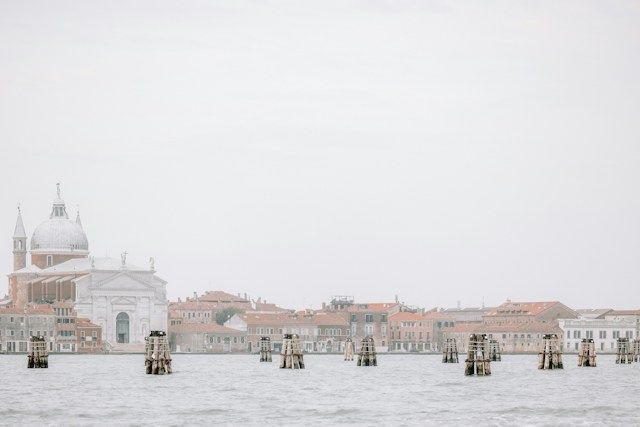
Snow in Venice, Italy, is an unusual but possible occurrence. The city experiences a humid continental-influenced climate, with cold winters, relatively mild temperatures compared with inland northern Italy and frequent fog, rain and high humidity.
Its geographical position plays an important role. Venice lies in the northern Adriatic Sea, where the lagoon and surrounding waters influence local temperatures. These conditions mean that winter precipitation generally falls as rain rather than snow.
However, when cold air masses arrive from central or eastern Europe, temperatures can fall below freezing, creating favourable conditions for snowfall.
How often does it snow in Venice?
Snow is relatively uncommon in Venice, and substantial accumulations are even rarer. According to a historical analysis of 30 winters (1995/96–2024/25), approximately 20 winters recorded at least one day with 1 cm or more of fresh snow.
The same dataset estimates that a typical winter brings around 5 cm of fresh snow, concentrated on approximately one day. Snow cover lasting several days is unusual.
February is statistically the snowiest month, with an estimated average of approximately 3 cm of fresh snowfall over one day.
These figures are based on ERA5 climate reanalysis data for a 28 km grid cell, rather than direct measurements at every location in the historic centre. They are therefore useful for understanding general patterns, not predicting the exact conditions in the city.
Does it snow in Venice Italy?
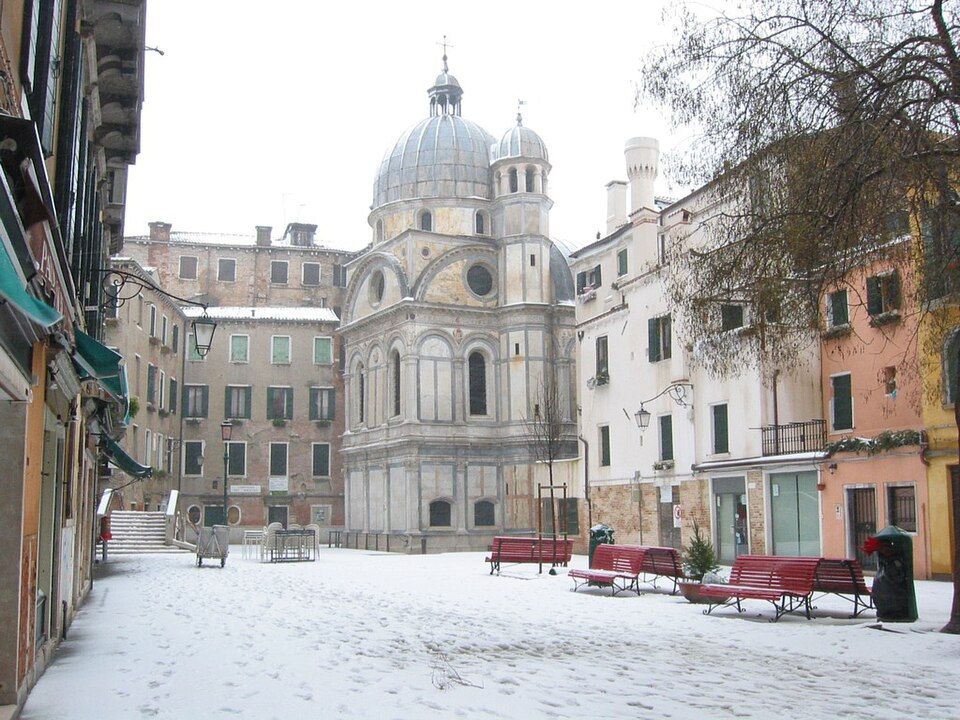
The question is: Does it snow in Venice, Italy? The answer is yes, it does snow in Venice, Italy, although it is a relatively rare weather event.
Snowfall usually occurs during particularly cold winter conditions, when temperatures are low enough for precipitation to fall as snow instead of rain.
Visitors should not expect to see Venice covered in snow during an ordinary winter holiday. In many years, the city experiences cold weather without any significant snowfall.
When snow does arrive, it can create spectacular scenery. The white rooftops, historic palaces, bridges and narrow streets offer a completely different perspective on the city. Even a light snowfall can transform familiar landmarks into picturesque winter landscapes.
There is also an important distinction between seeing snowflakes and seeing snow accumulate on the ground. In Venice, light snow can melt quickly, particularly on streets and pavements that are not exposed to freezing temperatures for long.
When did it last snow in Venice?
When was the last time it snowed in Venice?
One of the most memorable recent snowfalls in Venice occurred on 28 February 2018. The city woke up to approximately 5 cm of snow, which covered pavements, bridges, squares and parts of the historic centre.
According to ANSA, snow fell during the early morning hours, creating a white landscape across Venice. Temperatures dropped below zero in several parts of the Veneto region, and municipal teams began clearing streets and spreading salt, particularly on bridges and pedestrian routes, to prevent accidents.
However, 2018 should not be confused with the latest recorded traces of snowfall.
Weather archives also indicate snow on 28 December 2020. The historical ERA5 analysis records snowfall on that date, while the Municipality of Venice issued a snow alert because of the possibility of snow at low elevations.
Therefore, the distinction is important:
- 28 February 2018: a clearly documented snowfall that left approximately 5 cm of snow in Venice.
- 28 December 2020: a later snowfall episode recorded in historical weather data, although the municipal notice itself concerned a forecast and precautionary measures.
For travellers hoping to photograph a snow-covered Venice, the 2018 event remains one of the best-documented examples of the city under a substantial white blanket.
Does it snow in Venice in the winter?
Yes. Winter is the most likely season for snow in Venice, particularly between January and February. Nevertheless, snowfall remains occasional rather than guaranteed.
Winter in Venice generally extends from December to February, with March sometimes bringing cold conditions as well. Temperatures can approach freezing during particularly cold spells, especially at night and in the early morning.
The most common winter weather conditions include:
- Cold and humid days.
- Fog, particularly during the early morning.
- Rain and occasional freezing precipitation.
- Temperatures close to or below 0°C during cold spells.
- Occasional snowfall, usually light and short-lived.
The combination of cold weather and high humidity can make winter days feel colder than the thermometer suggests.
Another characteristic of winter in Venice is acqua alta, or high water. This phenomenon is caused by astronomical tides and meteorological conditions, including wind and atmospheric pressure. Although it is not directly related to snowfall, it is worth considering when planning a winter visit.
If you are travelling to Venice during the winter, bring waterproof shoes, a warm coat, gloves and clothing suitable for changing weather conditions.
Does it snow in Venice in December?
Yes, it can snow in Venice in December, but the chances are relatively low. December marks the beginning of winter, and temperatures gradually decrease as the month progresses.
The average minimum temperature at Venezia Tessera is approximately 1.7°C, while the average maximum is around 8.6°C, according to climatological data for the weather station. These conditions generally favour rain rather than snow.
Snow around Christmas is particularly uncommon. In the 30-winter ERA5 analysis, snow was lying on the ground on Christmas Day in just one winter out of 30. No measurable fresh snowfall of at least 1 cm was recorded across Christmas Eve and Christmas Day in that dataset.
Nevertheless, December can occasionally bring cold air and snow showers. On 28 December 2020, for example, historical weather data recorded snowfall in Venice.
If you are visiting Venice for Christmas, you can enjoy its festive atmosphere, illuminated streets, Christmas markets and seasonal decorations, but you should not plan your trip around the expectation of snow.
Does it snow in Venice in January?
January is generally the coldest month of the year in Venice and one of the months when snowfall is most likely.
Average temperatures at Venezia Tessera are approximately 0.7°C for minimum temperatures and 7.6°C for maximum temperatures. During particularly cold weather conditions, temperatures can fall below freezing, making snow possible.
Despite these low temperatures, snow is still relatively uncommon. Most precipitation falls as rain, while occasional snow showers may leave a light dusting on rooftops, bridges and pavements.
January is also an interesting month for visiting Venice if you prefer a quieter atmosphere. After the Christmas and New Year holidays, visitor numbers can be lower than during the busiest tourist periods.
If you are lucky enough to experience snowfall, the combination of winter fog, historic architecture and quiet canals can create particularly atmospheric photographs.
Does it snow in Venice in February?
Yes. February is statistically the month with the highest snowfall in Venice, according to the 30-year winter analysis covering 1995/96 to 2024/25.
The dataset estimates approximately 3 cm of fresh snow over one day during an average February. It also identifies 11 February 2013 as the day with the highest single-day snowfall in the analysed period, with an estimated 22 cm. These are ERA5 model estimates and should not be interpreted as measurements taken uniformly across the historic centre.
February is also an interesting month because it coincides with the Venice Carnival, one of the city's most famous annual events.
The possibility of cold weather and occasional snowfall adds to the atmosphere of the historic centre, particularly around St Mark's Square, the Rialto Bridge and the Grand Canal.
However, snowfall during Carnival is not guaranteed. If you are visiting Venice in February, it is best to prepare for cold, humid weather and consider snow a possible bonus rather than an expected feature of your holiday.
Frequently Asked Questions (FAQs)
Here are some of the most frequently asked questions about snow in Venice, Italy that should help you plan your winter holiday.
Does Venice Get Snow Every Year?
No, snowfall is by no means guaranteed every winter. If we look at the historical climate data from the past 30 years - from the 1995/96 to 2024/25 seasons - only in 20 out of those 30 winters was there at least one day with a whopping 1cm of fresh snow.
How Beautiful is Venice in the Snow?
Absolutely breathtaking. Snow transforms the city into a winter wonderland. The rooftops, bridges and historic squares are all covered in a thick layer of white, making the Grand Canal, St. Mark's Square and the narrow streets look particularly picturesque.
Does the Grand Canal Ever Freeze?
No, it does not normally freeze. Now, we do get very cold temperatures here in Venice, but the lagoon's water is a brackish mix of fresh and saltwater, which, combined with the tidal movements and the maritime climate, makes widespread freezing extremely rare.
How Cold Does It Get in January in Venice?
January is generally the coldest month in Venice. The average temperatures are around 0.7 degrees Celsius at night and a relatively balmy 7.6 degrees Celsius during the day at the Venezia Tessera airport. However, the humidity and the wind can make the temperatures feel even colder.
Is it Still Worth Visiting Venice in Winter?
Yes, absolutely. Winter offers a completely different experience of Venice, one that is full of atmosphere, quieter streets and fewer visitors outside of major events. You can also make the most of the city's museums, historic architecture, traditional restaurants and cultural attractions.
What Should I Pack for a Winter Visit to Venice?
Pack a warm, waterproof coat and some comfortable waterproof shoes that will keep your feet dry and warm. Don't forget a pair of gloves, a scarf and some layers to keep you warm. And if temperatures do drop below freezing like they sometimes do, you'll want to make sure you've got some warm accessories to keep you warm, especially when you're walking along the canals or crossing over bridges.
What's the Best Month to See Snow in Venice?
February is statistically the snowiest month, followed closely by January. That being said, snowfall in Venice is as unpredictable as it gets, and there's no guarantee of seeing snow either month.
Conclusion: Is snow in Venice worth experiencing?
Snow in Venice is one of those rare natural events that makes an already extraordinary city even more fascinating. Although the lagoon rarely experiences substantial snowfall, winter can occasionally bring the perfect conditions for a spectacular white landscape.
So, does it snow in Venice, Italy? Here are the main things to remember:
- Snow in Venice is possible: snowfall occurs occasionally, mainly during particularly cold winter conditions.
- January and February are the best months: February is statistically the snowiest month.
- December snowfall is uncommon: a white Christmas in Venice is particularly rare.
- The last notable snowfall: on 28 February 2018, approximately 5 cm of snow covered parts of the city.
- Winter is worth visiting: even without snow, Venice offers beautiful landscapes, atmospheric streets and a quieter travel experience.
Whether you are hoping to photograph the Grand Canal under a blanket of snow, experience the magic of Venice Carnival or simply discover the city during the colder months, winter remains a wonderful season to explore the lagoon.
Continue following us for similar travel guides, seasonal updates and insider tips on Venice at Venice Insider Guide.